“`html
Best time to pressure wash house upstate NY: exact dates for 2026
⏱️ 9 min read · Last updated: 2026
The best time to pressure wash a house in upstate NY is May 15 through June 30 or September 1 through October 15. These two windows avoid the Capital Region’s freeze-thaw cycle, which runs November through March, and bracket the algae growth season that peaks from June through September. Choosing the wrong window doesn’t just reduce cleaning effectiveness — it can cause micro-fractures in siding that cost thousands to repair. Here’s exactly how to pick the right dates for your home, along with the conditions that shift your ideal timing.
- Minimum safe temperature for pressure washing: 50°F — water damages surfaces and fails to clean effectively below this threshold
- Capital Region algae growth season: April through October, with peak activity from June through September
- Ideal spring cleaning window: May 15 – June 30 for most Albany-area homes
- Ideal fall cleaning window: September 1 – October 15 before overnight lows consistently drop below 40°F
- Freeze-thaw cycle in the Capital Region typically runs November through March, with 50–60 crossing events per winter
The two best windows to pressure wash your house in upstate NY
The Capital Region’s last spring frost arrives around May 10, and the first fall frost hits near October 8. Those frost dates anchor the two safe pressure washing windows for upstate NY homes: mid-May through June and September through mid-October. Both periods keep overnight lows above 40°F long enough for surfaces to dry before any freeze risk, and both bracket the peak algae season rather than washing during it.
The spring window works because overnight temperatures have climbed above 50°F consistently, winter salt and debris are still fresh and easier to lift, and summer humidity hasn’t yet pushed algae into overdrive. The fall window works because peak algae season is winding down, humidity drops significantly in September, and clean surfaces head into the dormant months with minimal recontamination risk.
Here’s how each window fits different Albany-area situations:
| Your situation | Best time to wash | Why the other window falls short |
|---|---|---|
| North-facing walls with visible algae | Late May – June | Fall washing works, but spring lets you treat growth before it peaks in summer |
| South-facing, minimal visible growth | September – October | Lower humidity means cleaner results last longer heading into winter |
| Recent ice dam or snow damage | May 15 – June 15 | Need last frost passed; fall can’t address water stains from spring thaw |
| Post-construction dust or renovation residue | Any day above 50°F | Temperature is the only real constraint when biological growth isn’t present |
| Budget-conscious | Late September | Off-season pricing from most crews runs 15–20% lower than peak spring rates |
If your home matches one of the situations in the table, you already have your answer. But the timing details that separate a good wash from a costly mistake go deeper than calendar dates — starting with the freeze-thaw cycle, which is the single biggest risk when you pressure wash a house in upstate NY.
Why the freeze-thaw cycle is the biggest timing risk
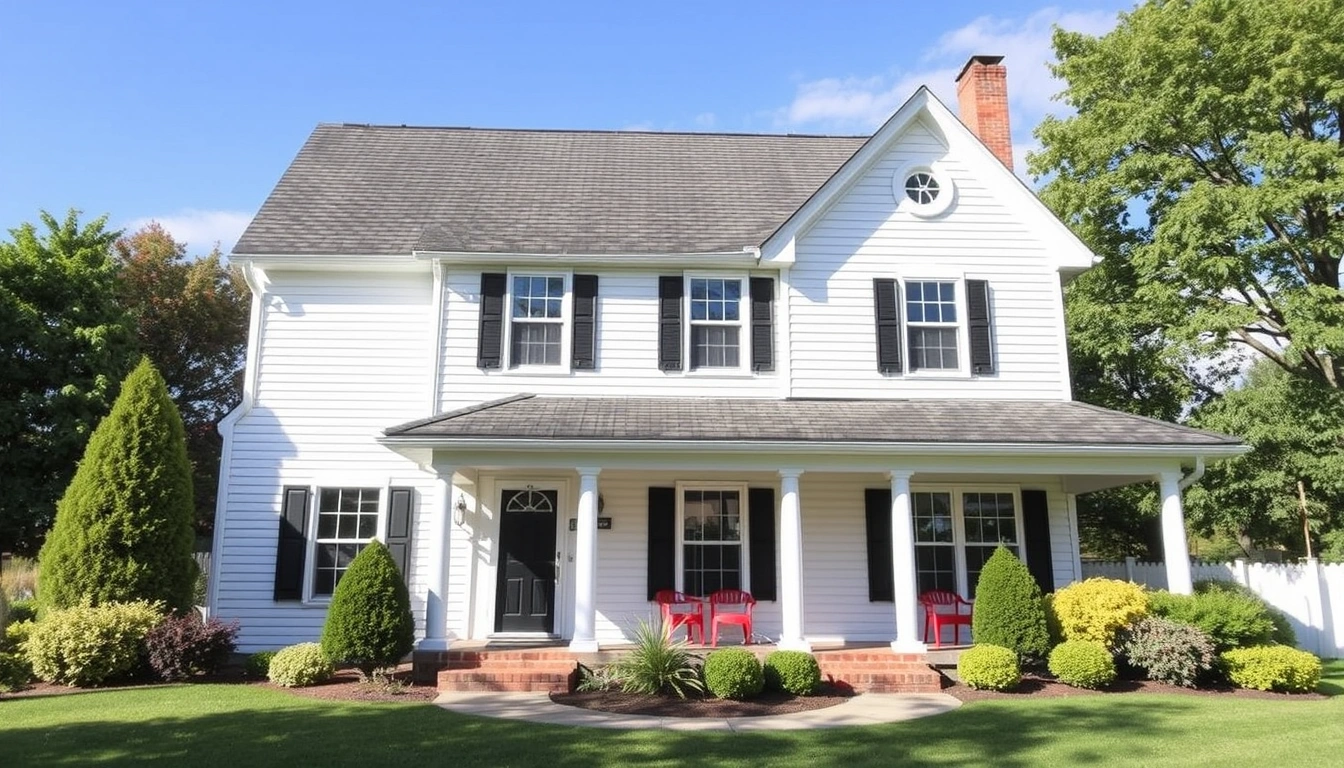
The freeze-thaw cycle is the factor most homeowners overlook when deciding when to pressure wash their upstate NY home. When washing water seeps into siding cracks, joints, or porous material and overnight temperatures drop below 32°F, that water expands by roughly 9% in volume. Each expansion creates micro-fractures that widen with every freeze event throughout the winter.
The National Weather Service records an average of 50 to 60 freeze-thaw crossings per Albany winter season — meaning residual moisture from a late-season wash has dozens of opportunities to cause hidden damage inside siding seams. The practical rule: stop all exterior washing by October 15 in the Capital Region to allow a two-to-three-week drying buffer before overnight temperatures regularly drop below freezing. On the spring side, don’t restart washing until overnight lows stay above 40°F for at least five consecutive days.
The dangerous part isn’t the washing itself — it’s the drying. A house washed in late October can hold moisture on shaded north-facing areas for 3 to 5 days. If an early freeze hits before those surfaces dry, you’ve created conditions for freeze-thaw damage without realizing it.
That overnight threshold matters far more than daytime highs. A sunny 55°F afternoon in late October is misleading when overnight lows drop to 28°F — that 27-degree swing creates exactly the kind of freeze-thaw event that cracks vinyl siding. Understanding the difference between soft wash vs pressure wash vinyl siding matters here too, because soft washing uses far less water and reduces the moisture that can freeze overnight.
Is it too cold to pressure wash in upstate NY in spring?
Below 50°F, pressure washing in upstate NY creates two compounding problems: reduced cleaning effectiveness and increased surface damage risk. That 50°F minimum is widely recognized across the industry because cleaning chemicals lose efficacy and water doesn’t evaporate efficiently off shaded surfaces below it.
The nuance that trips people up is this: Capital Region afternoons in March and early April regularly climb above 50°F. A sunny 62°F day in mid-April feels warm enough. But NWS Albany climate data shows the region averages 16 days in April where overnight lows drop below freezing — more than half the month.
Here’s the practical spring timeline for Albany-area homes:
- Late March – mid-April: Too cold. Overnight freezes remain common, and surfaces retain moisture from snowmelt. Risk of freeze-thaw damage is high.
- Mid-April – May 10: Borderline. Daytime temperatures work on paper, but overnight lows still dip below 40°F regularly. Only safe if every wall you’re washing gets full morning sun and you can guarantee same-day drying.
- May 15 – June 30: The sweet spot. Overnight lows consistently above 40°F, daytime highs typically 65–80°F. Surfaces dry within hours.
- July – August: Safe temperature-wise, but peak humidity and algae growth make this counterproductive. Treated surfaces recolonize within weeks.
Why September beats May for algae-prone homes
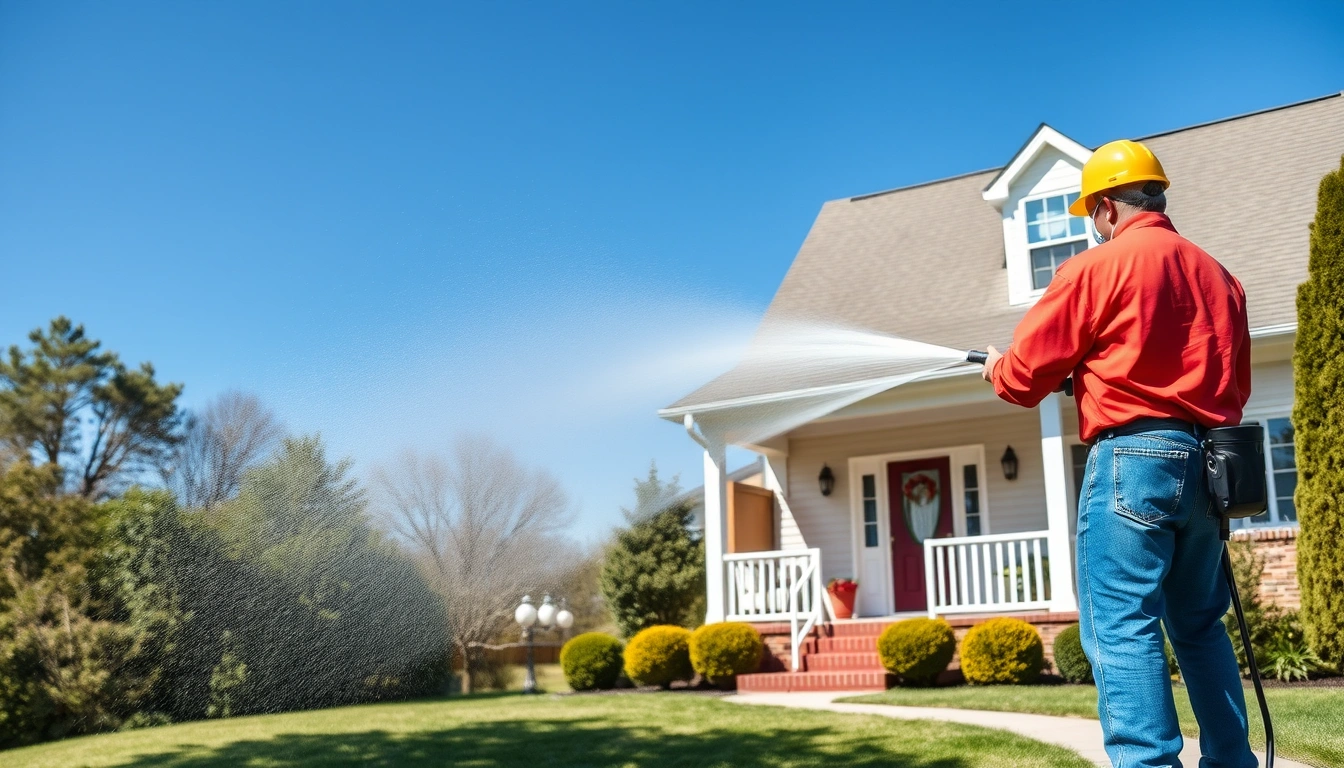
For homes with heavy algae buildup on north-facing walls, September pressure washing in upstate NY often produces cleaner, longer-lasting results than spring. Fall timing removes growth after its peak season, and lower humidity naturally slows regrowth heading into winter.
Spring washing removes algae that’s just ramping up — the warm, humid months of June through August are still ahead, and treated surfaces recolonize within 4 to 8 weeks under favorable conditions. A September wash, by contrast, hits the organism at its weakest point and sends clean siding into the dormant months with minimal recontamination risk.
The economics favor fall, too. According to recent pressure washing statistics 2026, demand in the Albany market drops roughly 40% between peak spring and early fall, translating into faster scheduling and better pricing. Most professional house washing cost Albany NY estimates reflect this seasonal pattern, with fall bookings running 15–20% cheaper than peak spring rates.
One important exception: if your house sustained winter damage — ice dams, heavy salt staining, gutter overflow marks — you need a spring wash to address those issues first. Don’t wait until fall to clean damage that’s actively getting worse.
Three conditions that shift your ideal timing
Three specific factors can move your ideal pressure washing window by two to four weeks in either direction. If any apply to your home, adjust accordingly rather than following the standard dates.
1. Heavy tree cover within 10 feet of siding
Houses with mature trees close to the structure face higher moisture, deeper shade, and earlier algae establishment. The growth season effectively starts about two weeks earlier than for uncovered homes. Schedule your spring wash no later than May 25 for these properties, or target the fall window instead.
2. North or east-facing dominant exposure
North-facing walls in the Capital Region receive almost no direct sunlight from November through February, creating a persistent moisture zone where algae thrives even during cooler months. Homes with more than 60% of their exterior facing north or east should narrow their spring window to May 15 through June 15 only. A fall wash is almost always more effective for these homes because you’re removing growth after its peak.
3. Siding material: vinyl vs. everything else
Vinyl siding — the most common material in Albany-area homes — is also the most vulnerable to freeze-thaw micro-cracking because water gets trapped in its hollow channels. The 50°F temperature threshold is absolutely non-negotiable for vinyl. Wood, brick, and fiber cement tolerate residual moisture somewhat better, but the same temperature floor applies. The choice between methods matters too — understanding soft wash vs pressure wash vinyl siding is especially relevant for older Albany homes where siding may already be weathered or brittle. For more guidance on choosing the right approach, see our complete pressure washing tips resource.
Edge cases where standard timing advice breaks down
The May-through-June and September-through-October windows cover most Albany-area homes, but several situations fall outside that framework.
Post-construction or post-renovation cleaning. When biological growth isn’t a factor and you’re dealing with dust and residue, any day above 50°F works. Waiting for the ideal spring window lets contaminants bond harder to surfaces, making eventual removal more difficult and potentially requiring higher pressure that damages fresh materials.
Homes with stucco or EIFS (synthetic stucco). These materials are significantly more porous than vinyl or fiber cement. They absorb more water during washing, extending drying time by 24 to 48 hours. Push your spring window to June 1 and finish your fall window by September 25 to prevent freeze-thaw damage in materials that hold moisture longer.
Previous freeze-thaw damage. If your siding already shows hairline cracks, loose seams, or chalky residue along lower panels, a spring wash is mandatory before damage progresses. Clean surfaces let you assess the actual extent, and each month of delay lets moisture work deeper into existing cracks.
Multi-story homes. Upper stories dry more slowly because wind exposure varies and equipment positioning can shade areas that don’t get full airflow. For these homes, add one week to each end of the recommended window — start later in spring, finish earlier in fall.
HOA-mandated cleaning schedules. Some Capital Region HOAs require exterior cleaning by May 1 or before Memorial Day. If your HOA forces you into an early window, document the freeze-thaw risk with weather data and request an exception — or schedule a soft wash at the lowest effective pressure, with the understanding that a touch-up in early June may be necessary.
The Bottom Line
The best time to pressure wash a house in upstate NY comes down to two proven windows: mid-May through June and September through mid-October. Both avoid the Capital Region’s freeze-thaw cycle and work around peak algae season.
If your house has algae on shaded walls, pick September — fall washing removes growth after peak season and lower humidity keeps results longer. If you’re dealing with winter damage or just want a clean slate, choose late May. Either way, verify that overnight lows stay above 40°F for at least five consecutive days before you commit.
Start this week by walking around your house. Note which walls face north, where shade falls at midday, and whether you see green or black streaks. That 10-minute observation gives you more useful information than any calendar recommendation — and tells you exactly which window, and which adjustments, apply to your specific situation.
- The two optimal windows to pressure wash your house in upstate NY are May 15 – June 30 and September 1 – October 15 — both avoid the Capital Region’s freeze-thaw cycle and bracket peak algae season.
- The freeze-thaw cycle poses a greater risk than algae growth. Never pressure wash when overnight temperatures are forecast below 40°F.
- Homes with north-facing walls or heavy tree cover should target the earlier end of the spring window, or wash in September instead.
- Fall pressure washing is underrated: 15–20% lower pricing, less recontamination from humidity, and cleaner results heading into winter.
Common Questions About best time to pressure wash house upstate NY
What temperature is too cold to pressure wash a house?
Below 50°F is the generally accepted minimum for safe pressure washing. At this temperature, water doesn’t evaporate efficiently from shaded surfaces, freeze risk increases on north-facing walls, and cleaning chemicals lose effectiveness. In the Capital Region, overnight temperatures stay below this threshold through mid-April and return below it in mid-October.
Spring vs fall pressure washing — which is better in upstate NY?
For most Albany-area homes, fall pressure washing (September–October) produces longer-lasting results because it removes algae after peak growth season and lower humidity slows regrowth. Spring washing (May–June) is better when you need to address winter damage, ice dam residue, or heavy salt staining. The right choice depends on whether your main problem is biological growth or winter wear.
How to prepare a home for pressure washing in spring?
Verify overnight lows stay above 40°F for five consecutive days. Close all windows tightly. Trim vegetation within 2 feet of siding. Move patio furniture and grills away from the house. Check the 10-day forecast for frost warnings. Schedule for a day with full sun and low wind to maximize drying speed after washing.
Why does pressure washing in freezing weather damage surfaces?
Water from washing seeps into cracks, joints, and porous materials. When temperatures drop below 32°F, that water freezes and expands by roughly 9% in volume. This expansion creates micro-fractures that widen with each freeze-thaw cycle throughout the winter, eventually causing visible cracks, loose siding panels, and structural damage that can cost thousands to repair.
How much does seasonal house washing cost in Albany?
Spring pricing (April–May) typically runs $350–$500 for an average Albany-area home due to peak demand. Fall pricing (September–October) often drops to $280–$420, reflecting lower demand and more flexible scheduling. Square footage, siding type, and algae severity are the main cost factors beyond seasonal timing. For a full breakdown, see our guide to pressure washing Albany NY costs.
“`
See also: pressure washing Albany NY
See also: house washing cost Albany NY
See also: soft wash vs pressure wash vinyl siding
Related: algae regrowth rate
Related: Colonie house washing
Related: Guilderland house washing