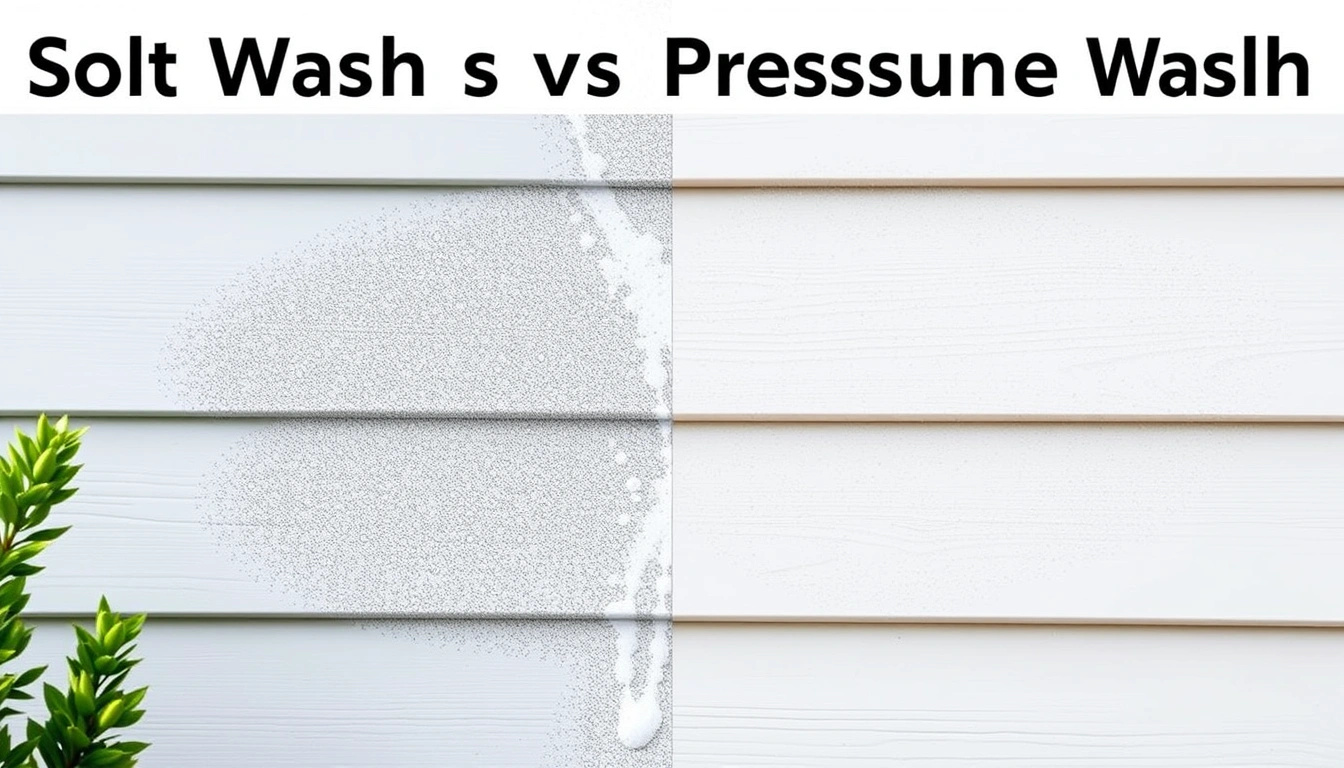
Soft Wash vs Pressure Wash Vinyl Siding: Which Method is Right?
Choosing between soft wash vs pressure wash for vinyl siding is critical for maintaining your home’s curb appeal without causing damage. The wrong method can lead to water intrusion, cracked panels, or a shortened lifespan for your exterior. This guide will walk you through both techniques, their pros and cons, and help you decide the safest, most effective way to clean your specific siding.
Understanding the Core Difference: Pressure vs. Soft Wash
To make an informed decision, you need to understand what each method actually does. They aren’t just about water force; they’re different cleaning philosophies.
What is Pressure Washing?
Pressure washing (or power washing) uses a high-pressure mechanical sprayer to blast water at surfaces. For cleaning vinyl siding, the pressure alone is meant to strip away dirt and grime. Think of it like using a strong broom—its primary force is mechanical. While effective on hard, non-porous surfaces like concrete driveways, this brute force can be too much for vinyl siding, potentially forcing water behind panels or cracking the material.
What is Soft Washing?
Soft washing is a low-pressure cleaning system that combines a mild water stream (under 500 PSI) with a specialized, biodegradable cleaning solution. This solution does the real work: it breaks down and kills organic growth like mold, mildew, algae, and chalking at the root. It’s more akin to using a spray bottle and a gentle wipe. The low pressure minimizes risk, while the cleaning solution provides a deeper, longer-lasting clean.
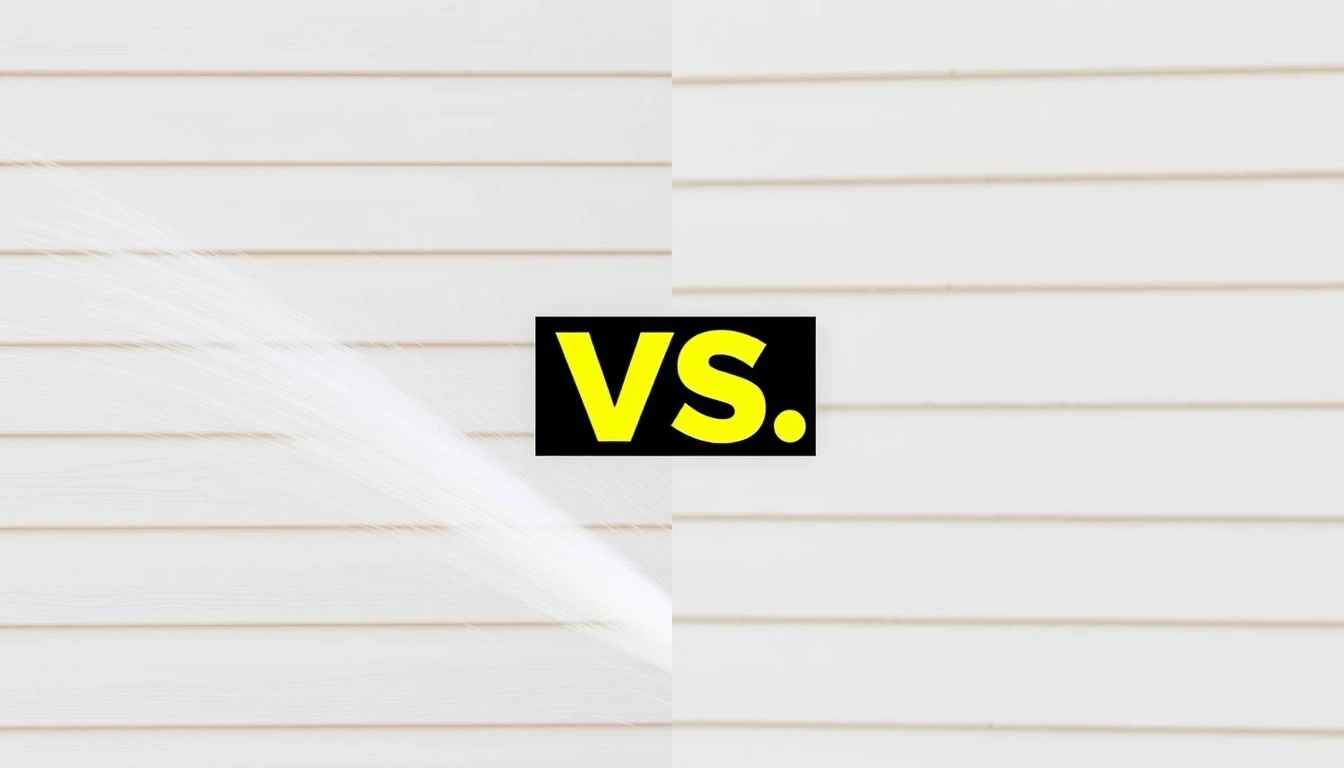
Key Comparison: Soft Wash vs Pressure Wash for Vinyl Siding
Let’s break down the comparison directly. This table summarizes the most important factors when evaluating soft wash vs pressure wash for vinyl siding projects.

1. Risk of Damage
Soft Wash: Very low risk. The low pressure is unlikely to cause any physical harm to the vinyl, seals, or paint.
Pressure Wash: High risk. Incorrect use (too high PSI, wrong angle, or worn nozzles) can easily break siding seams, force water into wall cavities, or cause permanent “etching” lines on the surface.
2. Cleaning Effectiveness
Soft Wash: Excellent for organic stains (mold, mildew, green algae). The cleaning solution sanitizes the surface, inhibiting regrowth for 6-12 months.
Pressure Wash: Good for removing loose dirt and surface grime. It often struggles with set-in mold and can spread spores to adjacent areas if not treated with a cleaner.
3. Water Usage and Efficiency
Soft Wash: Uses less water overall because it relies on cleaning solutions. The process is methodical and targeted.
Pressure Wash: Can use a massive amount of water very quickly in its attempt to clean with force alone.
4. Cost and DIY Feasibility
Soft Wash: Often requires purchasing or renting specific low-pressure equipment and buying appropriate cleaning solutions. Professional soft wash services are common and reasonably priced for the value they provide.
Pressure Wash: Equipment is more readily available for rent or purchase. However, the cost of potential damage from a mistake is very high.
How to Decide: A Step-by-Step Guide
When you’re standing with the hose in hand, ask yourself these questions to choose the right path for cleaning your vinyl siding.
- Inspect Your Siding’s Condition: Is it chalking (leaving a white powder on your hands) or heavily coated with green/black mold? Soft washing is your best bet. If it’s just light surface dirt, a very gentle rinse might suffice.
- Check Your Siding’s Age and Quality: Older, thinner, or already damaged vinyl is far more vulnerable. Always default to soft washing in these cases. Newer, premium vinyl is more durable but still benefits from low-pressure cleaning.
- Consider the Surrounding Area: Are there delicate plants, flowers, or window seals nearby? The high-pressure spray from pressure washing can shred foliage and force water into gaps. Soft washing is more controllable and plant-safe (when done by a pro who pre-wets and rinses greenery).
- Evaluate Your Comfort and Equipment: If you’re renting a pressure washer, are you confident using the wide-angle (40° or 65°) nozzle at a distance? If not, the safest DIY choice is often a garden-variety pump sprayer for applying a DIY vinyl siding cleaner, followed by a low-pressure rinse from your hose.

Final Verdict on Vinyl Siding Cleaning
When weighing soft wash vs pressure wash for vinyl siding, the scales overwhelmingly favor soft washing for its safety, effectiveness against common biological growth, and overall protection of your home’s investment. While pressure washing has its place for hard surfaces like concrete and stone, vinyl siding is a more forgiving material that rewards a gentler, cleaner-first approach.
By choosing to soft wash, you’re not just cleaning your house—you’re preserving it. You avoid the heart-stopping crack of a damaged panel and ensure your home remains clean, protected, and beautiful for years to come. For most homeowners, hiring a professional soft wash service provides the perfect balance of optimal results and zero risk.
See also: pressure washing Albany NY
See also: house washing cost Albany NY
See also: pressure washing statistics 2026
Related: freeze thaw damage
Related: algae regrowth rate
Related: curb appeal boost